
Our Story
A rich history of faith, community, and service spanning more than two centuries in Charlottetown and Stratford.
Trinity United Church
The roots of Trinity go back to 1778 when Benjamin Chappell, an early postmaster of Charlottetown and a personal friend of John Wesley, invited a number of friends into his home for worship. (A replica of his tiny house is displayed at Trinity.)
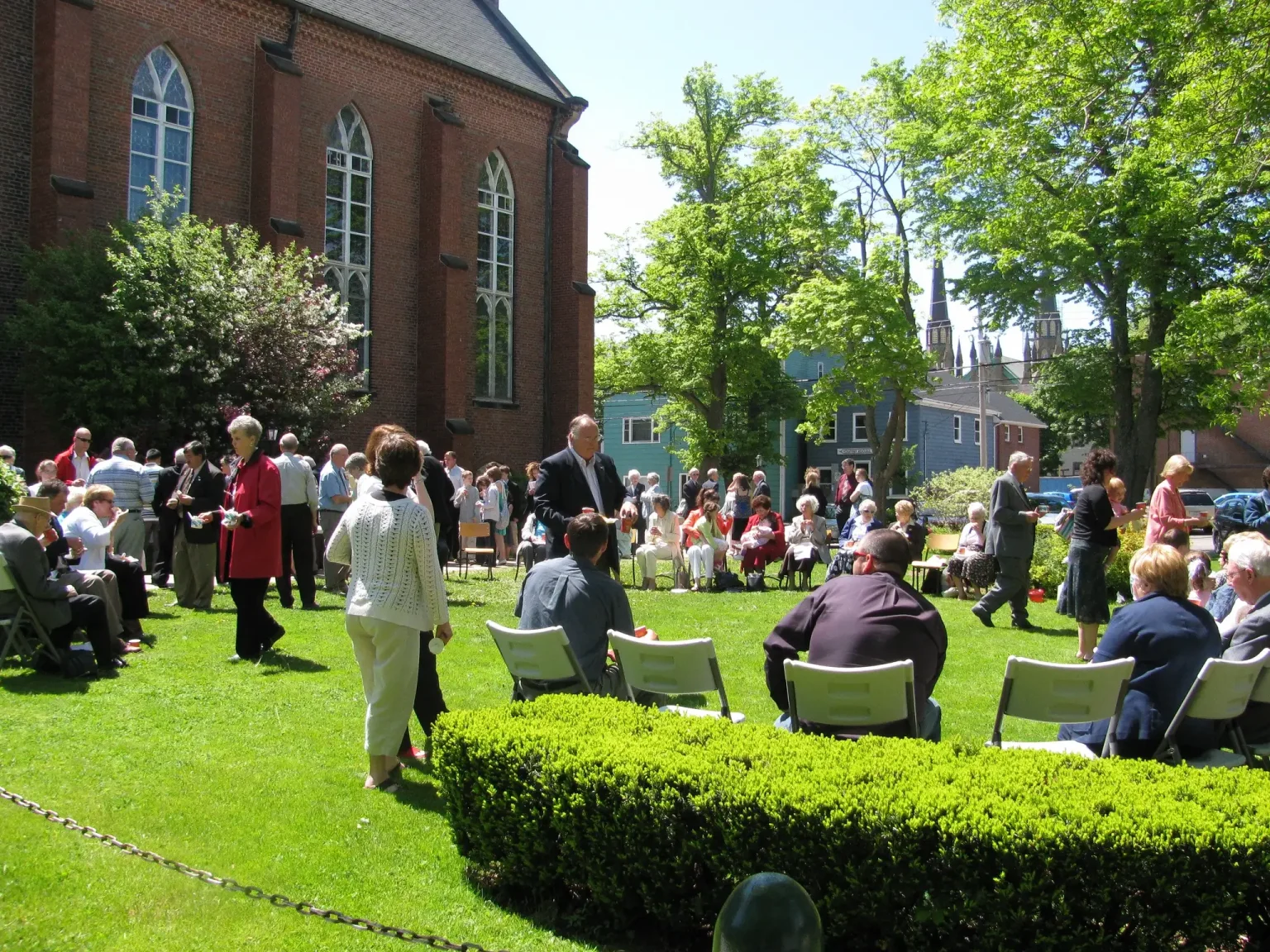
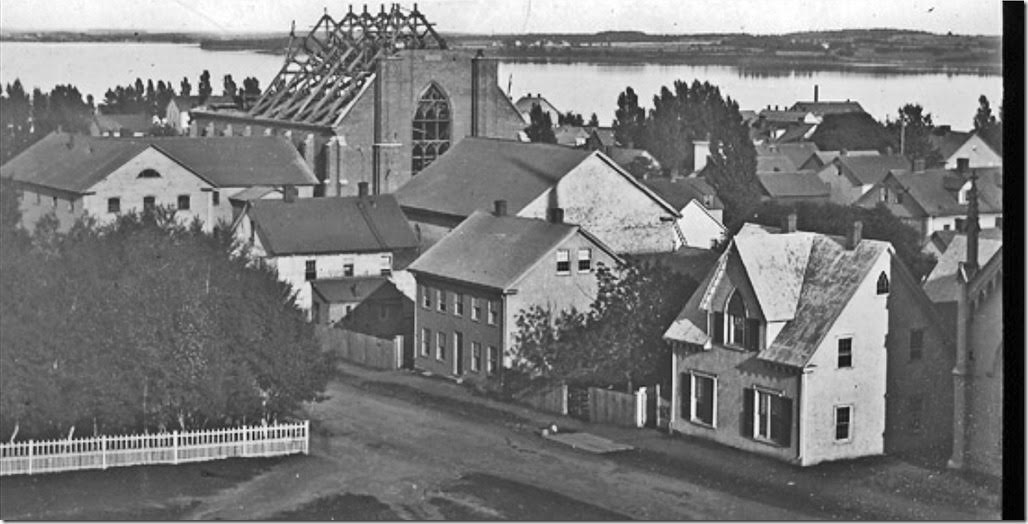
The present sanctuary structure was opened and dedicated for public worship in November of 1864 and is the oldest Charlottetown church building in continuous use as a place of worship. The congregation takes immense pride in its historic building, along with the adjacent Manse (both included in the registry of Historic Charlottetown Buildings) and the more modern Trinity Community Centre.
Trinity’s sanctuary seats 1,000. It has a number of impressive stained glass windows and a magnificent Casavant Frères organ, which was installed in 1955 as a memorial to those from the congregation who were killed in World War II and Korea.
Clifton United Church
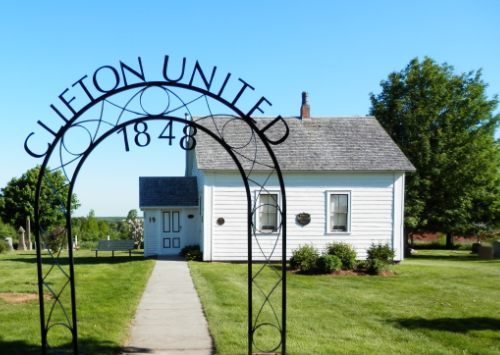
Located in Stratford, Clifton United Church was built in 1848 as a Wesleyan Chapel. After church union in 1925, Clifton Church became a part of the Pownal United Church Pastoral Charge. In 1962 it was added to Trinity United Church Pastoral Charge.
This historic church is one of the oldest church buildings now used by the United Church on PEI, and in 1994 was recognized as a heritage building by the PEI Museum and Heritage Foundation.
Our Stained Glass Windows
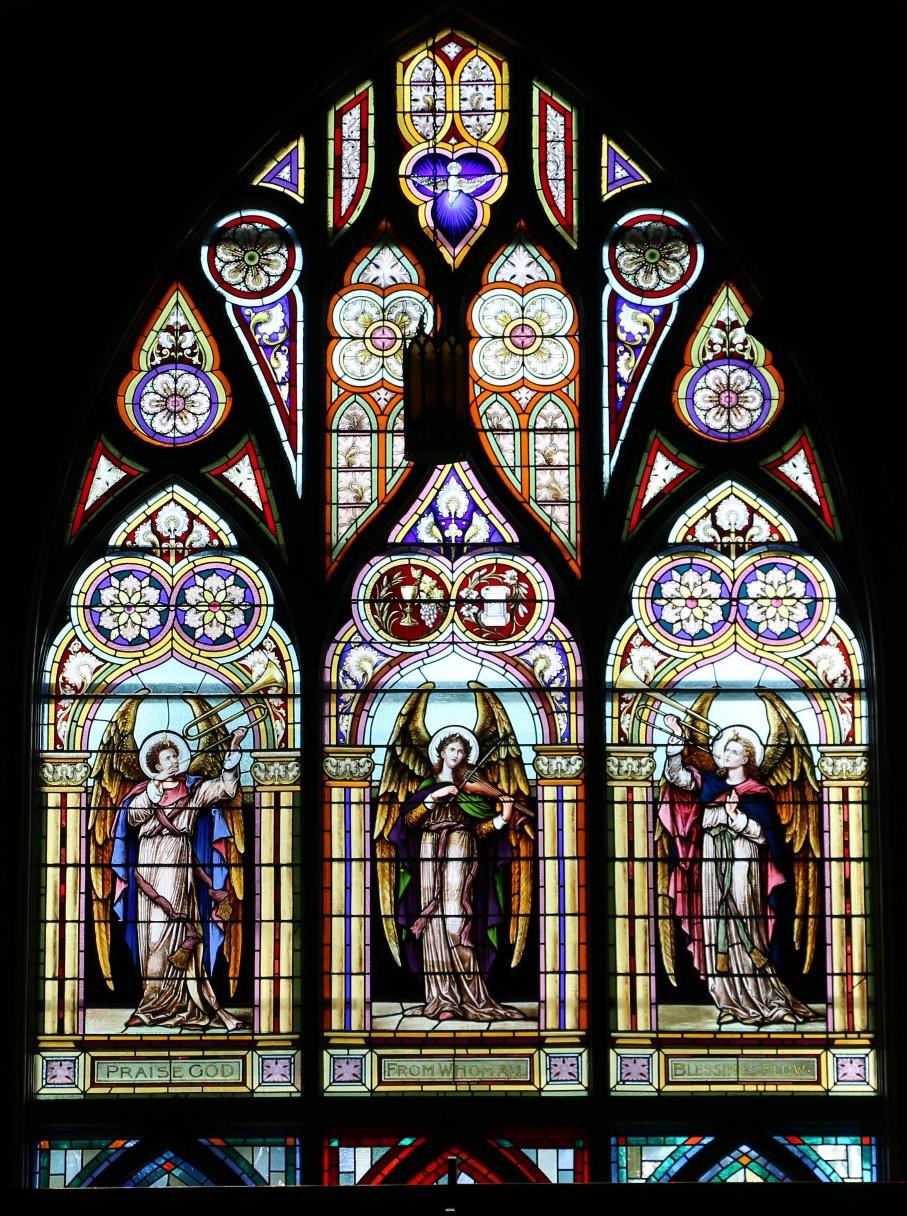
One hundred and fifty-one years ago Thomas Alley and Mark Butcher built the First Methodist Church on the corner of Prince and Sydney Streets. It was a great preaching hall brightly illuminated with nineteen tall windows.
According to the Methodist liturgy of the day there was no question of installing stained glass windows nor providing an instrument such as an organ to accompany the Liturgy of the Word. As the Nineteenth Century drew to a close, stained glass windows became acceptable and an organ was installed. Thus came into being the beautiful church interior the congregation enjoys to this day.
— Excerpt from the Foreword by Reg Porter
Stained Glass Window Catalogue
Reg Porter has created a comprehensive catalogue documenting the history and beauty of Trinity’s stained glass windows. This detailed work preserves the stories and artistry behind each window in our sanctuary.
Watch: A Video Tour of Our Windows
Take a closer look at the stories behind our stained glass windows in this video tour.
Our Pipe Organ
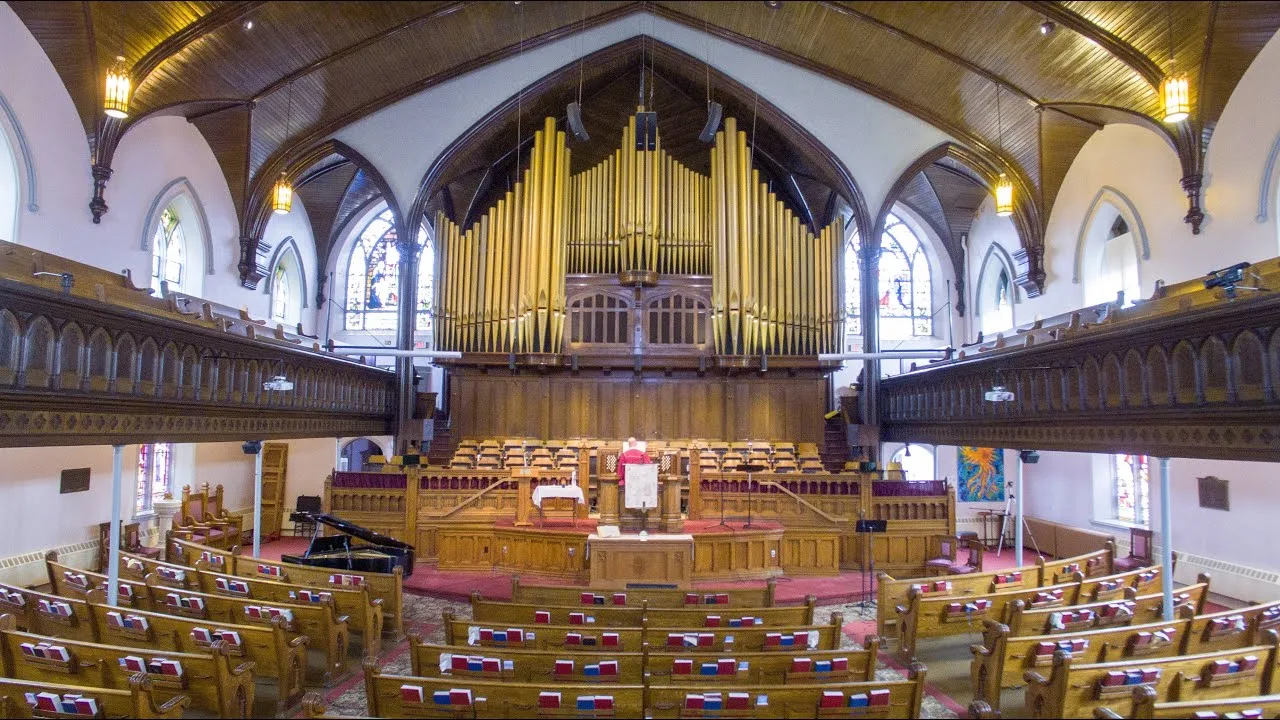
When Trinity was built, no musical instruments were used in worship — music was sung exclusively from the balcony by the choir. The first organ wasn’t installed until 1904, followed by a second organ in 1910.
The current Casavant Frères pipe organ, with close to 3,000 pipes, was installed in 1955 and dedicated to honour members of the congregation who served in World War I, World War II, and the Korean War. It is actually four organs in one — the Great, Swell, Choir, and Pedal — with the Choir and Swell enclosed in chambers whose louvers can be opened and closed by foot pedals. With three manuals and full pedals, the instrument is insured for $1.29 million.
This magnificent instrument is still played at services today.
Watch: The Story of Our Organ
Trinity’s Organist and Music Director, Don Fraser, created a special feature video about this magnificent instrument.
Key Milestones
1778
First Methodist worship in Chappell’s home
1848
Clifton Wesleyan Chapel built
1864
Trinity sanctuary opened and dedicated
1925
Church union creates United Church
1955
Casavant Frères organ installed
1962
Clifton joins Trinity pastoral charge
Continue Exploring
Learn more about Trinity-Clifton United Church and how you can be part of our community.